Bharatanatyam Temple Jewellery: Your Essential Guide to Building a Collection in the USA
Discover the essential pieces of Bharatanatyam temple jewellery, understand their significance, and learn a sensible buying order for dancers at every stage in the USA.
On this page
- Embracing Tradition: The Enduring Charm of Temple Jewellery for Bharatanatyam
- The Full Ensemble: Understanding Each Piece of Bharatanatyam Temple Jewellery
- A Sensible Buying Order for Dancers in the USA
- Choosing the Right Temple Jewellery for Your Journey
- Care and Storage for Your Temple Jewellery in US Homes
- Your Journey, Adorned: The Shanthi Tailors USA Promise
Key takeaways
- Temple jewellery is integral to Bharatanatyam, each piece carrying cultural and aesthetic significance.
- A sensible buying order progresses from core pieces for beginners to a full, elaborate set for arangetram.
- Quality craftsmanship and proper fit are crucial for comfort and stage presence.
- Care and storage in diverse US climates are essential to preserve the beauty and longevity of your jewellery.
- Always consult your guru for specific recommendations tailored to your dance journey.
Embracing Tradition: The Enduring Charm of Temple Jewellery for Bharatanatyam
For over six decades, Shanthi Tailors has been a trusted name in classical Indian dance costumes and temple jewellery, dressing thousands of dancers from our Chennai atelier and now serving the vibrant dance community across the United States. We understand the profound connection between a dancer and their adornments, especially the exquisite temple jewellery that brings the divine stories of Bharatanatyam to life on stage.
Temple jewellery is more than mere ornamentation; it is a vital component of the Bharatanatyam aesthetic, deeply rooted in tradition and inspired by the deities adorning ancient South Indian temples. Each piece tells a story, enhancing the dancer's portrayal of mythological characters and spiritual narratives. For dancers, parents, and dance schools in the USA, navigating the world of authentic temple jewellery can feel daunting. This guide aims to demystify the process, helping you understand each piece and build a collection that honors tradition while meeting the practical needs of a dancer.
Whether you're preparing for your first student recital, a solo performance, or the grand milestone of an arangetram, choosing the right jewellery is paramount. We'll walk you through the full ensemble, offer a sensible buying order for every stage of a dancer's journey, and provide practical advice on care and storage in diverse US home environments. Rest assured, our selection of temple jewellery is stocked right here in our Frisco, Texas location, ready to ship nationwide via USPS or UPS in just a few days, ensuring your pieces arrive promptly for rehearsals and performances.
The Full Ensemble: Understanding Each Piece of Bharatanatyam Temple Jewellery
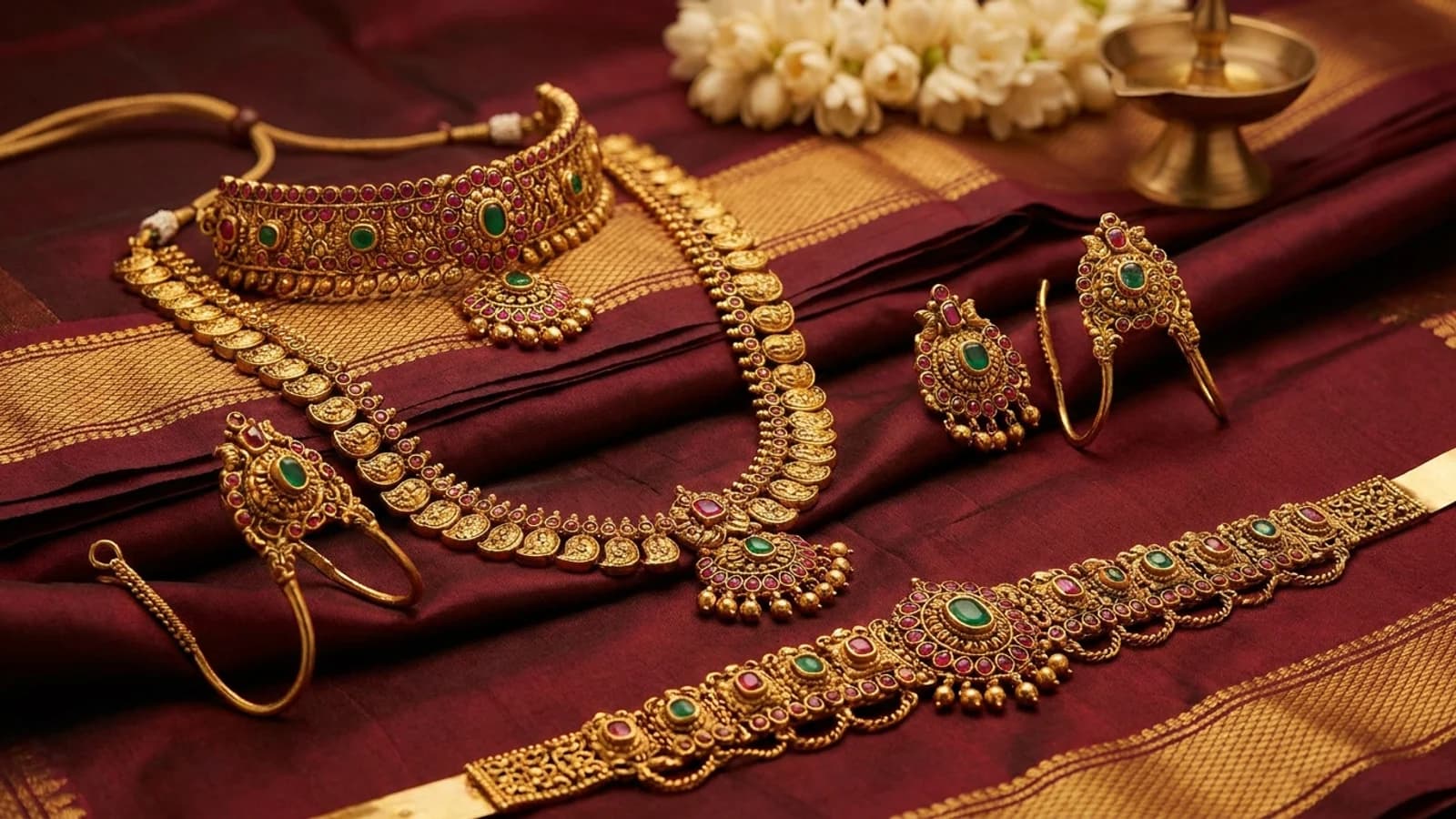
A complete set of Bharatanatyam temple jewellery transforms a dancer into a living sculpture, echoing the beauty of temple deities. While variations exist across traditions and personal preferences, the core pieces remain consistent. Traditionally crafted from gold-plated copper or brass, adorned with synthetic stones like rubies, emeralds, and often strung with pearls, these pieces are designed for both visual impact and durability.
Let's explore the essential components that make up this magnificent ensemble, understanding their placement and significance:
- Nethichutti (Forehead Ornament): This central piece graces the forehead, with a pendant that rests at the hairline and chains that extend to either side, often tucked into the hair. It frames the face beautifully, drawing attention to the dancer's expressive eyes and facial movements.
- Jimikki / Jhumka (Earrings) & Maatal (Ear Chains): The iconic bell-shaped jhumka earrings are instantly recognizable. They are typically elaborate, featuring intricate designs and often dangling pearls. Crucially, they are supported by maatal, chains that hook onto the jhumka and extend upwards, either hooking into the hair or around the ear to distribute the weight and prevent strain, especially during dynamic movements.
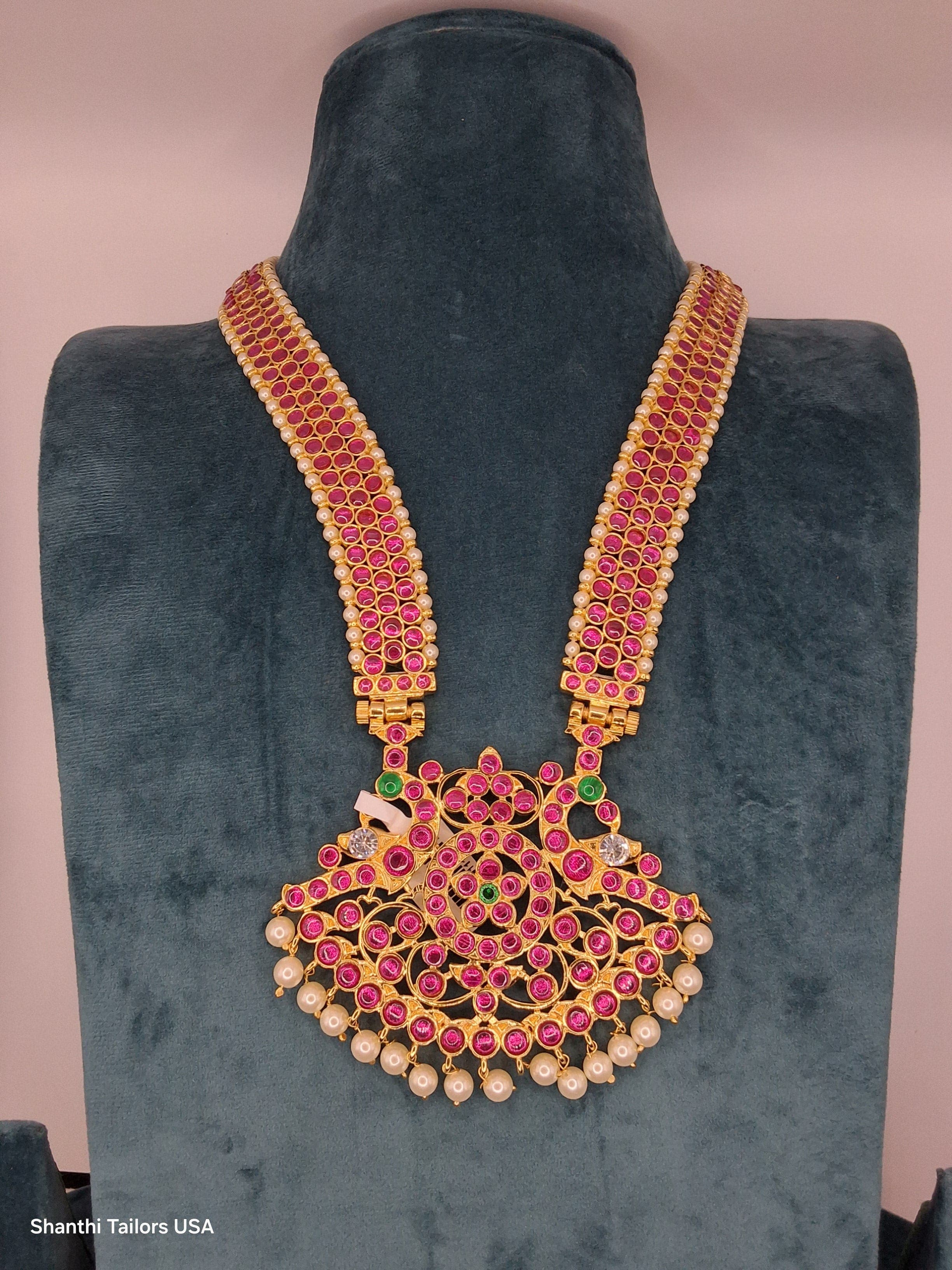
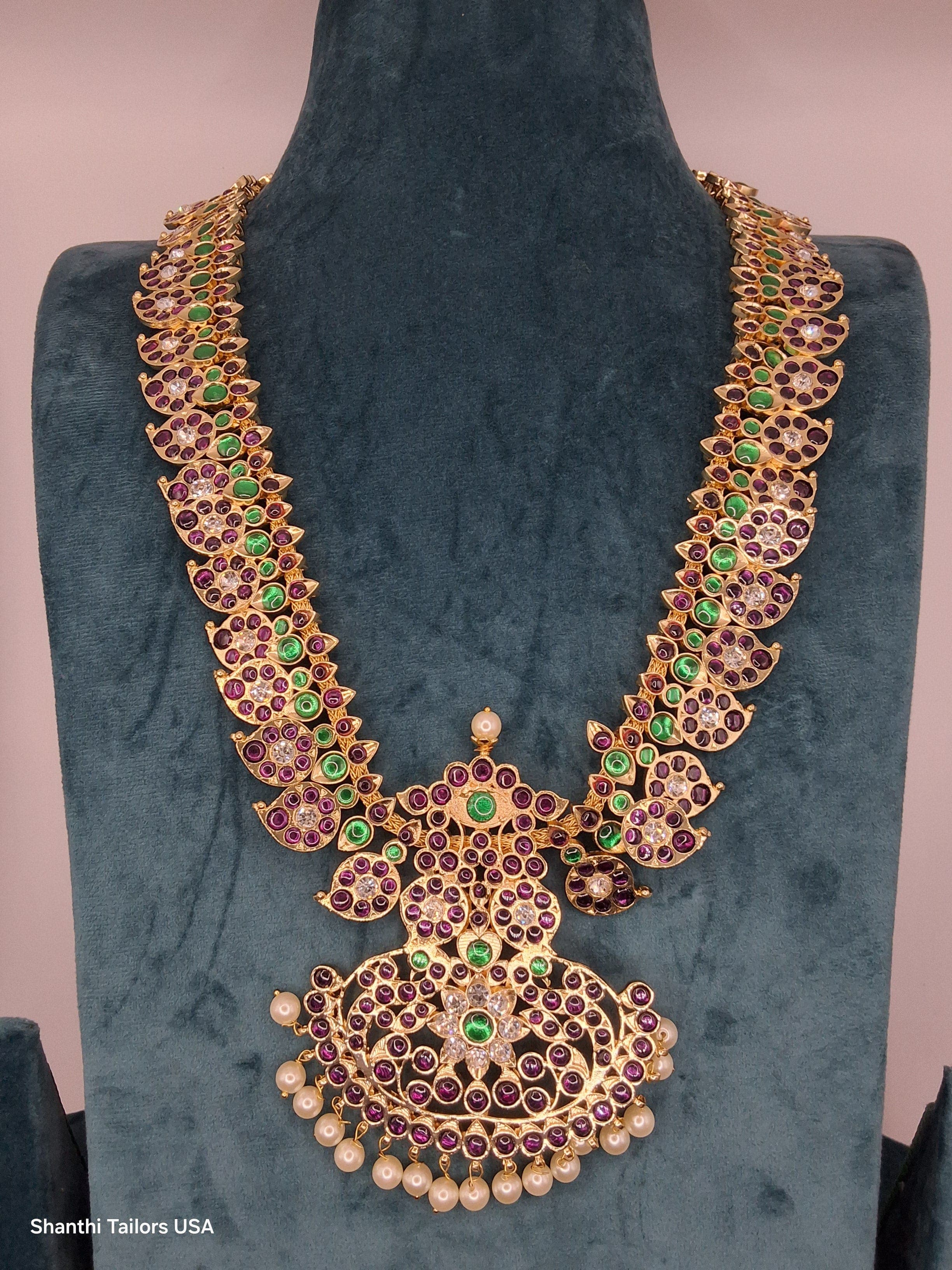
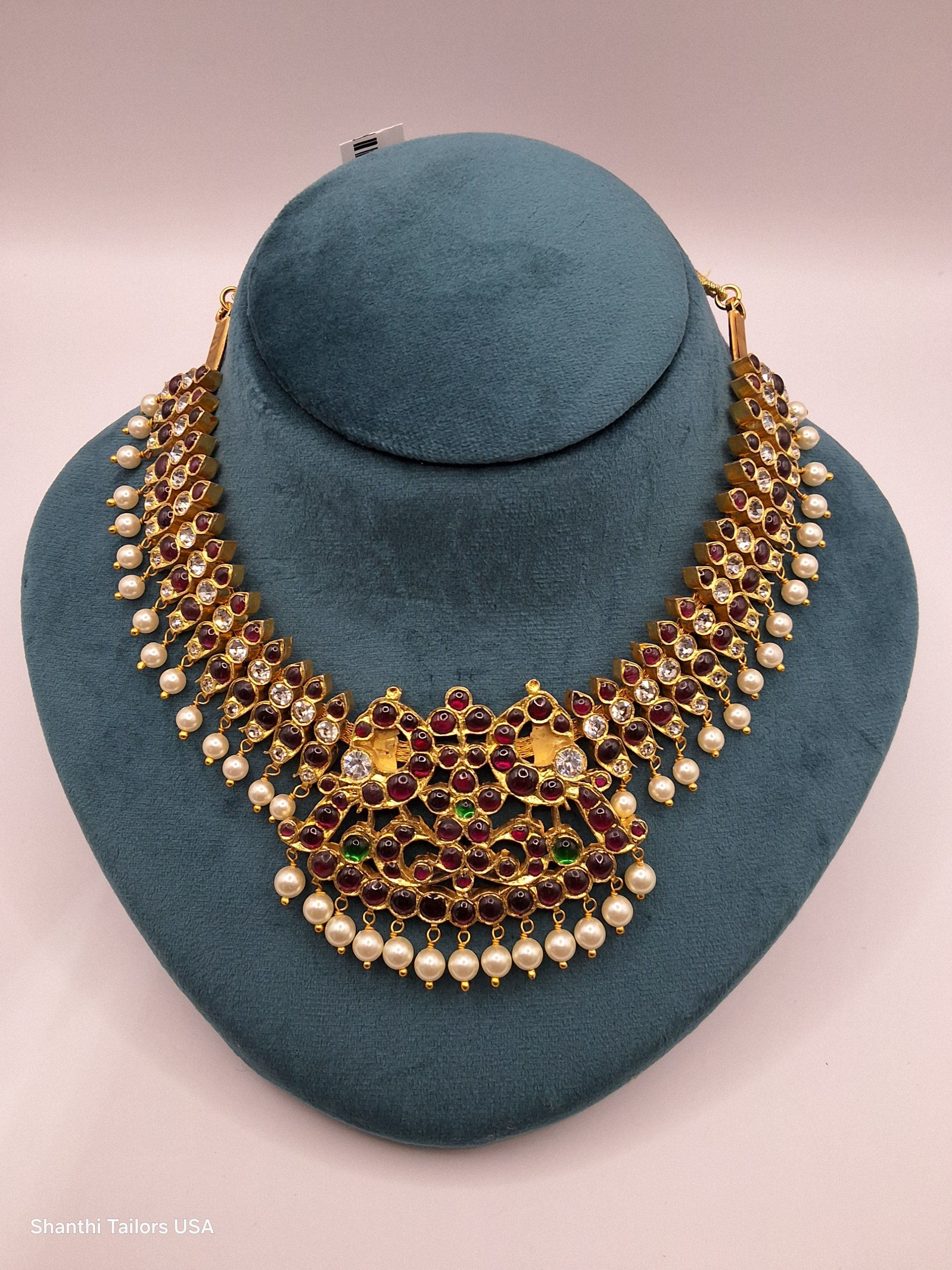
- Necklaces: Choker & Haram: The neck is adorned with two distinct necklaces. The choker is a shorter, close-fitting necklace that sits high on the neck, framing the collarbones. The haram is a longer, more elaborate necklace that often reaches the waist or below the bust, designed to be layered over the choker. This layering creates depth and grandeur, symbolizing prosperity and divinity.
- Oddiyanam (Waist Belt): This ornate belt cinches the waist, highlighting the dancer's form and adding a regal touch. Beyond aesthetics, a well-fitted oddiyanam helps secure the costume's pleats and enhances the dancer's posture, contributing to a powerful stage presence.
- Vanki (Armlets): Worn on the upper arms, typically one on each arm, vankis are distinctive armlets that often feature a serpent or floral motif. They draw attention to the graceful movements of the arms and hands, which are central to Bharatanatyam's storytelling.
- Bangles (Kada / Valayal): A dancer typically wears several bangles on each wrist, often a mix of broader kada (cuffs) and narrower valayal. The rhythmic clinking of the bangles adds a subtle auditory dimension to the dance, complementing the footwork and hand gestures.
- Rakodi & Jadai Nagam (Hair Ornaments): The hair is meticulously styled, usually in a bun at the back of the head, adorned with a circular rakodi. For longer braids, the elaborate jadai nagam, a serpent-like ornament, is woven into the length of the braid, culminating in a decorative piece at the end. These pieces complete the divine transformation, symbolizing the dancer's connection to traditional iconography.
A Sensible Buying Order for Dancers in the USA
Building a temple jewellery collection is a journey, not a race. It's wise to acquire pieces gradually, aligning with a dancer's progress and performance needs. This approach ensures that investments are made thoughtfully and that each piece serves its purpose effectively. Always consult with your Bharatanatyam guru for their specific recommendations, as traditions and school requirements can vary.
For Beginner Dancers (Early Recitals & Student Performances)
When a dancer is just starting out, the focus should be on core pieces that provide a complete, yet manageable, stage presence without overwhelming them. These items are typically the most frequently used and offer the best initial investment.
- Jimikki / Jhumka & Maatal: Essential for framing the face and completing the traditional look. The maatal is crucial for comfort and security.
- Nethichutti: A foundational piece that beautifully adorns the forehead, even for simpler performances.
- Choker: A single, elegant choker is sufficient for early performances, providing a polished look without the complexity of layering.
- Bangles: A basic set of bangles (2-4 per wrist) to add a subtle sparkle and sound to hand movements.
These pieces provide a strong foundation, allowing the dancer to focus on technique and expression without the distraction of an overly heavy or elaborate set.
For Intermediate Dancers (Solo Pieces & Expanding Repertoire)
As dancers progress and begin to perform more solo pieces or take on more prominent roles in group productions, they can gradually expand their jewellery collection. These additions enhance the grandeur and detail of their stage presence.
- Haram: Adding a long haram to layer with the choker creates a richer, more traditional aesthetic.
- Oddiyanam (Waist Belt): Crucial for defining the waist, enhancing posture, and adding a regal touch as performances become more sophisticated. Ensure proper measurement for a comfortable fit.
- Vanki (Armlets): These pieces beautifully accentuate arm movements, which become increasingly nuanced at this stage.
At this point, the dancer has a nearly complete set, suitable for most significant performances leading up to an arangetram. Attention can also be paid to matching the style and stone colors of new pieces with existing ones for a cohesive look.
For Arangetram Dancers (The Grand Debut)
The arangetram is a momentous occasion, demanding a complete and magnificent presentation. For this debut, the dancer should aim for the full, elaborate ensemble, ensuring every detail contributes to a truly unforgettable performance. This is the time to invest in the finest quality pieces that will be cherished for years to come.
- Complete the Full Set: This includes the most elaborate versions of the nethichutti, jhumkas with maatal, both a choker and a long haram (possibly two harams of different lengths), a grand oddiyanam, vankis, a full complement of bangles (often more than 4 per wrist), and the intricate Rakodi & Jadai Nagam for the hair.
- Emphasis on Quality and Craftsmanship: For an arangetram, the quality of each piece truly shines. Look for meticulous stone setting, high-quality plating, and comfortable designs that will withstand a full evening of strenuous performance.
- Plan Ahead: Acquiring an arangetram set requires significant planning. Begin discussing options with your guru and exploring pieces many months in advance to ensure availability and allow time for any necessary adjustments or customisations.
For an arangetram, the jewellery is not just an accessory; it is an integral part of the dancer's transformation into a divine being, embodying the richness and depth of Bharatanatyam.
Choosing the Right Temple Jewellery for Your Journey
With so many options available, making informed choices about your temple jewellery is key. Beyond the buying order, consider these factors to ensure your selections serve you well throughout your dance journey.
Quality Over Quantity
Investing in well-made pieces will pay dividends in the long run. High-quality temple jewellery features durable plating, securely set stones, and a comfortable finish. It will withstand the rigors of performance and last for many years with proper care. While cost is a factor, prioritizing craftsmanship ensures your jewellery maintains its luster and integrity, making it a true heirloom.
Fit and Comfort are Paramount
A dancer's comfort on stage is non-negotiable. Ensure that earrings are not excessively heavy (the maatal helps distribute weight), necklaces sit comfortably without chafing, and the oddiyanam is sized correctly to neither restrict movement nor slip during vigorous dancing. Bangles should fit snugly enough not to fall off, but loosely enough to allow free wrist movement and produce their characteristic sound. For online purchases, always refer to detailed sizing guides and measure carefully.
Matching Your Costume and Aesthetic
While traditional temple jewellery largely features red and green stones (symbolizing rubies and emeralds), consider how the specific shades and gold tone will complement your Bharatanatyam costume. Most temple jewellery is designed to be versatile, pairing beautifully with a range of silk and synthetic costume colors. However, paying attention to the overall aesthetic ensures a harmonious and striking stage presence.
Online Shopping with Confidence
When purchasing temple jewellery online, especially for such significant items, it's crucial to choose a reputable vendor. Look for clear, detailed images from multiple angles, comprehensive product descriptions that specify materials and dimensions, and transparent policies. At Shanthi Tailors USA, we pride ourselves on providing accurate representations and detailed information to help you make the best choices from anywhere in the United States.
Care and Storage for Your Temple Jewellery in US Homes
Temple jewellery, while robust, requires mindful care to maintain its beauty and longevity, especially given the varying climates across the United States. Proper handling and storage will protect your investment and ensure your pieces are performance-ready for years to come.
Understanding Climate Impact
The diverse climates of the USA—from the humid South to the dry Southwest, and the cold winters of the North—can impact jewellery. Humidity is the primary culprit for tarnishing gold-plated items. Conversely, extremely dry conditions can sometimes affect the integrity of glues used for stone settings over very long periods. The key is to create a stable, protected environment for your pieces.
Gentle Cleaning Practices
After each performance or use, gently wipe your jewellery with a soft, dry cloth to remove any sweat, makeup, or oils. Avoid using harsh chemicals, abrasive cleaners, or ultrasonic devices, as these can damage the plating and loosen stone settings. If a deeper clean is occasionally needed, a very slightly damp cloth (water only) followed immediately by a thorough dry is sufficient, but always test on an inconspicuous area first.
Optimal Storage for Longevity
The way you store your temple jewellery is critical. Here are best practices:
- Individual Pouches: Store each piece (or matching sets like jhumkas and maatal) in its own soft cloth pouch. This prevents scratching and tangling.
- Airtight Containers: Place the pouched jewellery inside an airtight plastic container or a jewellery box with a tight-fitting lid. This minimizes exposure to air and humidity, significantly slowing down the tarnishing process.
- Desiccants: Consider adding a small silica gel packet (often found with new shoes or electronics) to your storage container. These absorb moisture, offering an extra layer of protection against humidity.
- Cool, Dry Place: Store your jewellery box in a cool, dry place away from direct sunlight, extreme temperatures, and fluctuating humidity levels. Avoid bathrooms or areas prone to dampness.
- Avoid Sprays: Always put on your jewellery after applying hairspray, perfume, or lotions, as these chemicals can cause damage and dull the finish.
By following these simple yet effective care and storage guidelines, your Bharatanatyam temple jewellery will remain radiant, ready to adorn you for countless performances and cherished moments on stage.
Your Journey, Adorned: The Shanthi Tailors USA Promise
At Shanthi Tailors USA, we understand that each Bharatanatyam dancer's journey is unique and deeply personal. From the first hesitant steps on stage to the triumphant arangetram, temple jewellery serves as a beautiful, tangible connection to a rich cultural heritage. We are honored to be a part of this journey, providing authentic, high-quality pieces that enhance your artistry and stage presence.
Building your temple jewellery collection is an investment in your dance and a testament to your dedication. By understanding the significance of each piece, making thoughtful choices, and committing to proper care, you ensure that your adornments will sparkle as brightly as your performances. We encourage you to explore our curated selection, confident that you will find pieces that resonate with your spirit and elevate your Bharatanatyam experience.
Embrace the tradition, express your artistry, and let your temple jewellery from Shanthi Tailors USA illuminate your path on stage, wherever you are in the United States.
Frequently asked questions
How do I know what size oddiyanam or bangles to buy online?
For an oddiyanam, measure your natural waist circumference in inches. For bangles, measure the widest part of your hand (across the knuckles) when your thumb is tucked in towards your palm. Always refer to the specific product's sizing chart, as measurements can vary slightly. If in doubt, contact our customer service for guidance.
Can I wear Bharatanatyam temple jewellery for other classical Indian dance forms?
While temple jewellery is iconic for Bharatanatyam, many pieces, particularly jhumkas, chokers, and bangles, are also suitable and commonly worn for Kuchipudi, Mohiniyattam, and sometimes Odissi. The full, elaborate set with jadai nagam is most specific to Bharatanatyam. Always consult your guru for the specific requirements of your dance form and school.
How long does temple jewellery typically last with proper care?
With diligent care—gentle cleaning, proper storage in airtight containers with desiccants, and avoiding exposure to chemicals and humidity—quality gold-plated temple jewellery can last for many years, often a decade or more. The longevity depends heavily on the initial quality of plating and the consistency of your care routine.
Is it acceptable to mix and match temple jewellery pieces from different sets?
Yes, it is often acceptable and even encouraged to mix and match pieces, especially as you build your collection. Many dancers combine a favorite choker from one set with a haram from another, or use bangles that complement various outfits. The key is to ensure the pieces have a similar gold tone and stone color palette for a cohesive and aesthetically pleasing look on stage. Always consider the overall harmony of the ensemble.
What is the difference between real gold temple jewellery and costume temple jewellery?
Real gold temple jewellery is crafted from solid gold (e.g., 22K) and often features natural gemstones. It is significantly more expensive, heavier, and requires specialized care. Costume temple jewellery, which we offer, is typically made from a base metal like copper or brass, plated with gold, and adorned with high-quality synthetic stones and pearls. It is much more affordable, lighter, and designed for stage performance, offering the same traditional aesthetic without the prohibitive cost and delicate nature of solid gold.
Shop this look
Shanthi Tailors Editorial
Shanthi Tailors has crafted classical dance costumes and temple jewellery in Chennai since 1967, dressing dancers for arangetrams and stages worldwide.